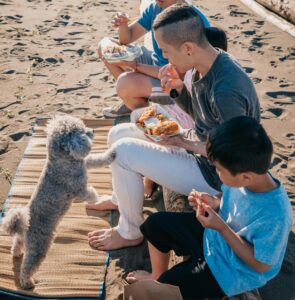
Backyard barbecues, picnics in the park, and holiday cookouts are a summer staple in Raleigh. While these events are perfect for family fun, they also bring temptation for your dog in the form of dropped hot dogs, dessert plates left unattended, and well-meaning guests offering snacks. But not all people food is created equal for dogs.
Knowing what summer foods are safe and what should be avoided is key to protecting your dog’s health and maintaining good behavior. This guide breaks it down so you can enjoy the season with confidence.
The Risks of Summer Snacking
When dogs eat food that’s not meant for them, it can cause more than just an upset stomach. Ingesting certain human foods can lead to serious health issues including:
- Vomiting or diarrhea
- Pancreatitis
- Obesity or long-term digestive problems
- Poisoning from toxic ingredients
Accidental ingestion also creates behavioral problems such as begging, food stealing, or food guarding. Training your dog to ignore food distractions and politely ignore dropped items is as important as knowing which foods to keep far out of reach.
Safe Summer Foods for Dogs
Some seasonal foods are safe and even beneficial for dogs when given in moderation. Always serve these plain, without added salt, butter, or sauces.
Dog-safe fruits and vegetables:
- Watermelon (no seeds or rind)
- Blueberries
- Strawberries
- Cucumber
- Carrots
- Green beans
Lean proteins:
- Grilled chicken (boneless, skinless, no seasoning)
- Plain turkey
- Salmon (fully cooked, no bones)
- Scrambled eggs (plain)
Other safe treats:
- Plain rice or pasta
- Peanut butter (xylitol-free)
- Plain yogurt (in small amounts)
Offering these foods as a reward can be part of a balanced training strategy, especially if your dog is learning impulse control or polite behavior around guests. In fact, reinforcing calm behavior during mealtimes or gatherings is a great complement to our Basic Obedience Training for Reactive Dogs.
Foods to Keep Away From Your Dog
These common summer foods may seem harmless but can be dangerous or even toxic to dogs.
Toxic or risky foods:
- Grapes and raisins
- Onions and garlic
- Chocolate
- Avocado
- Macadamia nuts
- Corn on the cob
- Bones (especially cooked)
- Alcohol or beer
- Ice cream (especially flavored or with artificial sweeteners like xylitol)
- Hot dogs (too salty and often full of preservatives)
Even small amounts of these foods can cause serious reactions, and in some cases, be life-threatening. Always educate guests or children about not feeding your dog from their plates.
For more detail on weight and health management, check out our post on why your dog’s weight matters and how to manage it. What you feed plays a big role in behavior, energy, and obedience.
How to Train a Dog Around Food Distractions
Many behavioral challenges with food come from a lack of structure. If your dog begs at the table, steals from countertops, or barks during meals, you’re not alone. These are common problems that can be fixed through focused training and a few adjustments in routine.
Here are a few tips:
- Use the “Place” command during meals so your dog has a job and a defined boundary
- Reinforce “Leave it” and “Out” cues to prevent grabbing dropped food
- Avoid rewarding begging or jumping behavior with treats
- Ask guests not to feed your dog without permission
These commands work even better when your dog is trained to ignore high-value distractions and maintain calm under pressure. Our Raleigh-based training programs teach dogs how to make good choices around temptation and maintain obedience in real-world situations.
What If My Dog Eats Something They Shouldn’t?
If you suspect your dog ate a harmful food, contact your vet or the Pet Poison Helpline immediately. Common symptoms of poisoning include vomiting, lethargy, excessive drooling, and seizures. Do not try to induce vomiting unless directed by a professional.
For reference, the Pet Poison Helpline can be reached at: https://www.petpoisonhelpline.com
Ready to Build Food Manners and Summer Safety Skills?
Whether your dog needs to master the “Leave it” command or stop counter-surfing once and for all, we can help. Our programs are built around real-world distractions like food, guests, and outdoor activities.
Contact our Raleigh training team today to get started with obedience training that works where it matters most.