When Raleigh’s summer temperatures rise, the risk of canine overheating becomes more serious than most owners realize. Dogs cannot regulate their body temperature like humans, and even short walks or playtime in the sun can lead to heat stress or worse.
Whether you’re headed to a dog-friendly trail in Durham, spending time at a cookout in Chapel Hill, or just hanging in the backyard, it’s essential to recognize the early signs of heat exhaustion and know how to prevent it. Your dog’s health, safety, and obedience may depend on it.

Why Dogs Overheat Faster Than Humans
Dogs cool down primarily through panting and a small amount of sweating through their paw pads. In North Carolina’s humid summer climate, panting becomes less effective, making it harder for dogs to release excess heat.
Certain factors increase the risk of overheating:
- Thick or long coats
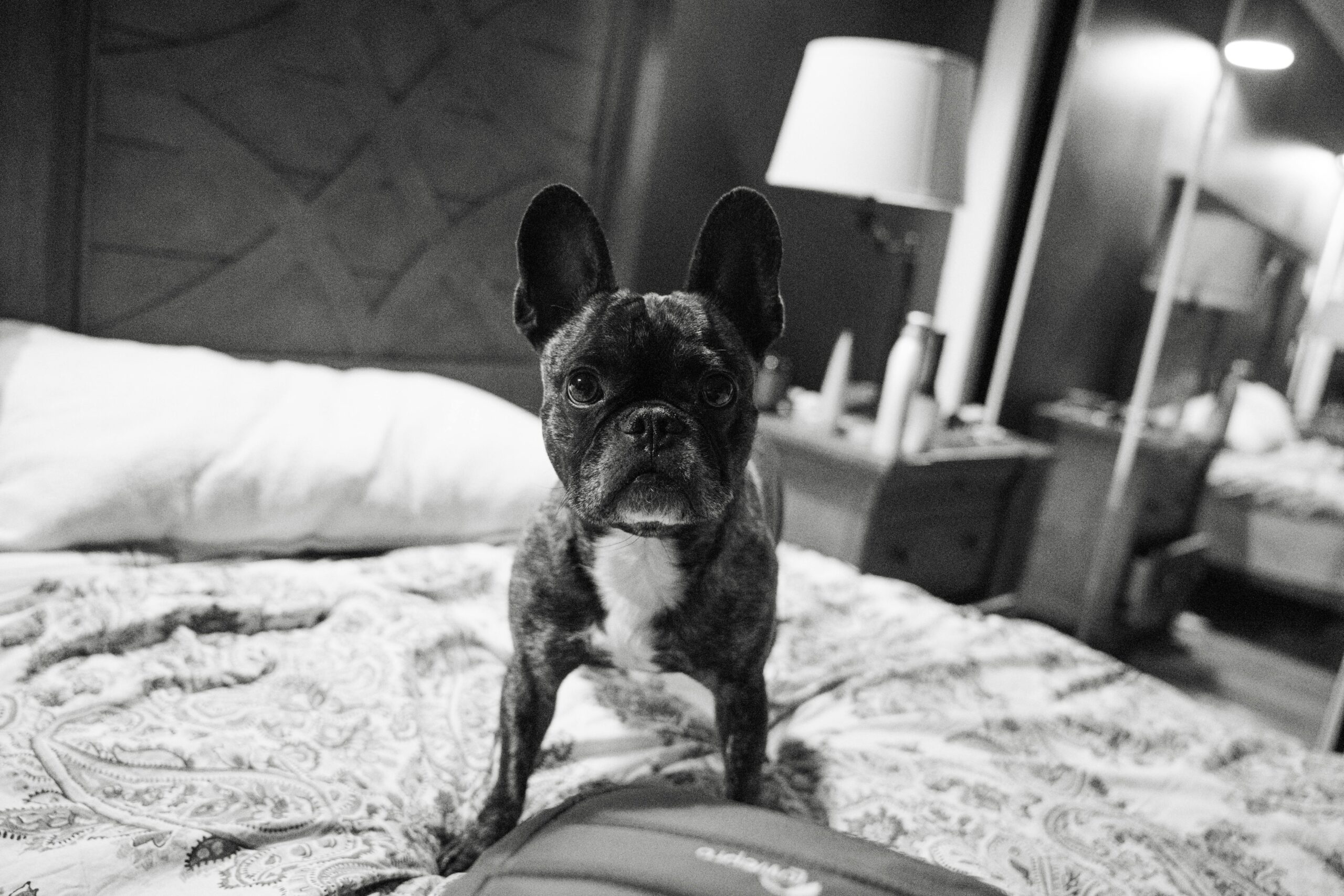
- Short-nosed breeds like Bulldogs or Pugs
- Overweight or obese dogs
- Puppies and senior dogs
- High-energy working breeds
- Intense physical activity without breaks
Early Warning Signs of Overheating
Catching symptoms early is critical. If you notice any of the following, it’s time to stop activity and cool your dog down.
- Heavy or fast panting
- Excessive drooling
- Red or pale gums
- Lethargy or stumbling
- Vomiting or diarrhea
- Glazed eyes or confusion
- Collapse or seizures in extreme cases
If symptoms do not improve quickly after cooling efforts, seek veterinary care immediately.
How to Prevent Overheating
Avoiding heat-related issues is far easier than treating them. These prevention tips are simple but powerful for summer safety.
Modify your routine:
- Walk early in the morning or after sunset
- Avoid mid-day outdoor activity
- Choose shaded or wooded walking trails
Check pavement temperatures:
If the pavement is too hot for your hand, it’s too hot for your dog’s paws.
Provide constant hydration:
Always carry water on walks or outdoor adventures, and offer frequent breaks.
Never leave a dog in a parked car:
Even with the windows cracked, temperatures rise rapidly and can become fatal within minutes.
Use enrichment instead of outdoor exercise:
On the hottest days, swap walks for mentally stimulating indoor activities. Try obedience drills, food puzzles, and scent games. Our guide on keeping your dog active when it’s too hot outside includes fun, practical alternatives to physical exertion in the heat.
How Obedience Training Can Help
A trained dog responds better to commands like “Place,” “Down,” and “Break,” allowing you to control their energy and movement in hot environments. With proper training, your dog will learn to settle when needed instead of pushing their limits.
Dogs that are prone to overheating also benefit from calm, focused behavior inside the home. Our Basic Obedience Training for High-Energy Dogs teaches your dog how to handle environmental challenges and manage their excitement through proven techniques.
What to Do if Your Dog Overheats
If you suspect heat exhaustion:
- Move your dog into shade or an air-conditioned space
- Offer cool (not cold) water
- Wet their paws, belly, and ears with a damp towel
- Use a fan if possible
- Avoid ice baths, which can cause shock
Contact your vet if symptoms continue or if you are unsure how serious it is. You can also review the AKC’s guide on heatstroke in dogs for additional advice and emergency signs to watch for.
Ready to Train Smarter and Safer This Summer?
Hot weather does not have to sideline your dog’s behavior goals. Whether your pup needs to learn calm indoor behavior or build better impulse control on walks, our programs can help.
Contact our Raleigh training team today to get started with custom training that puts your dog’s safety and success first.
Social Media Teaser
Don’t let heat catch your dog off guard. Learn the signs of overheating and get practical ways to keep your pup safe and well-trained this summer.