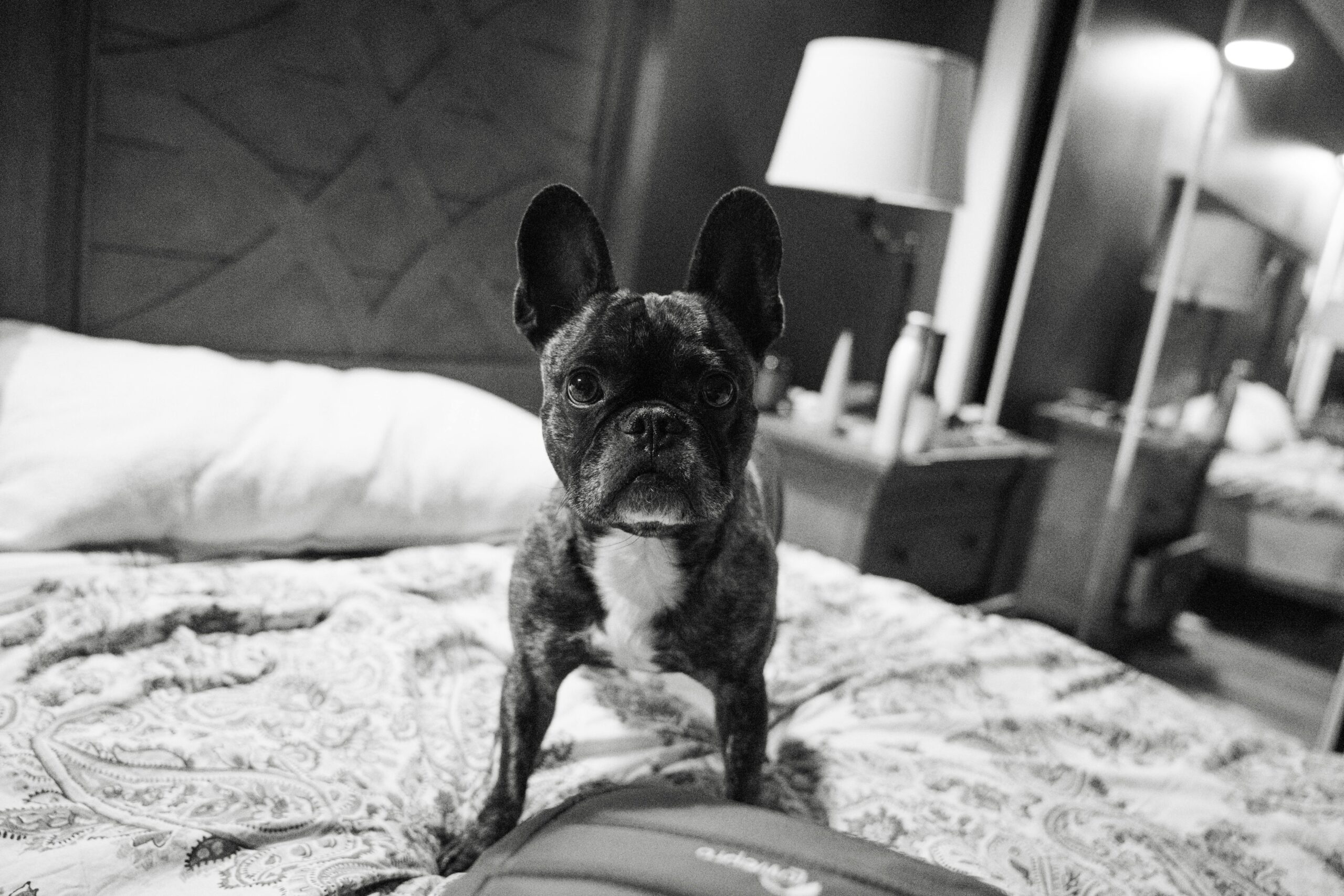

When summer winds down and school ramps back up, everyone in the household feels the shift, including your dog. While the kids are picking out backpacks and adjusting to earlier mornings, your pup may be wondering why the house suddenly feels quieter or why their routine has changed.
As a professional dog trainer here in Raleigh, I’ve seen firsthand how back-to-school transitions can affect canine behavior. From separation anxiety to boredom-induced destruction, it’s important to support your dog through this annual routine change.
Here’s how to set your dog up for success as your family settles into a new schedule.

Why Dogs Struggle With Routine Shifts
Dogs are creatures of habit. They rely on consistency to feel secure and confident in their environment. So when summer’s long walks, playtime with the kids, and constant companionship are suddenly replaced by hours of silence, the result can be confusing and stressful.
Common behavioral changes during this transition include:
- Barking or whining when left alone
- Accidents inside the house
- Chewing furniture or kids’ belongings
- Pacing, panting, or other signs of anxiety
- Attention-seeking behaviors in the evening
Fortunately, with a few proactive steps, you can help ease the adjustment and even use this time to strengthen your dog’s obedience and independence.
Start the Transition Early
Don’t wait until the first day of school to shift your dog’s routine. Begin adjusting their schedule gradually, about two weeks before classes begin.
This includes:
- Moving morning walks to earlier times
- Feeding your dog on the new school schedule
- Practicing quiet time or crate time during expected school hours
- Creating a daily “alone time” window where your dog rests independently
This early prep phase will help your dog adjust to new patterns without being thrown into sudden change.
Reinforce Alone Time Through Place Training
One of the most valuable commands during this season is place. Teaching your dog to go to a designated bed or mat and stay calmly can be a game changer for quiet mornings, after-school homework time, or while packing lunches.
If your dog already has a basic understanding of place but struggles to stay put for long periods, this is the perfect time to gradually build duration and add distractions.
If you’re unsure how long or how often to train, our guide on how many hours to train your dog will help you structure sessions around your changing routine.
Keep Mornings Calm and Predictable
Back-to-school mornings tend to be chaotic: alarms, lunches, backpacks, and the occasional missing shoe. Amid all that, your dog may get overstimulated and act out by jumping, barking, or darting out the door.
To avoid this, establish a consistent routine that includes:
- A short walk before the chaos begins
- A calm feeding time in a quiet area
- A designated space or crate during the morning rush
- Practicing sit and place with low-key reinforcement
This kind of structure creates predictability for your dog and helps reduce stress for everyone.
Provide Enrichment While the House Is Empty
Dogs left home alone for long hours may become bored or anxious, especially if they were used to constant activity during the summer.
Here are some boredom-busting ideas:
- Frozen Kongs with peanut butter or canned food
- Lick mats or snuffle mats for scent-based play
- Puzzle toys to activate their brain
- A rotating selection of chew toys
- Music or dog-friendly TV channels to provide background noise
The ASPCA shares helpful insights on preventing destructive chewing in dogs, which is a common behavior when pups are left alone too long or become anxious. These strategies are especially useful during back-to-school transitions.
Need more ideas for keeping dogs engaged during hot weather or quiet days? Check out our guide on how to keep your dog active when it’s too hot outside, which includes great indoor activities that also work well while you’re away.
Rebuild Obedience With a Fall Routine
Back-to-school season is also a great time to recommit to consistent training. Whether your dog needs a refresher or you’ve let some summer habits slide, now’s the time to reestablish structure.
Our Basic & Advanced Obedience Program is ideal for reinforcing behaviors like come, sit, stay, and heel, even with distractions. The more confident your dog is in their training, the less stress they’ll experience when routines change.
Even short, 10-minute sessions in the morning or evening can help maintain focus and reduce anxiety.
Watch for Separation Anxiety
Some dogs may struggle with being left alone after months of full-time companionship. If your pup shows signs like destructive behavior, howling, or eliminating indoors, they may be experiencing separation anxiety.
Tips to help ease it include:
- Practicing short departures before longer absences
- Avoiding dramatic greetings or goodbyes
- Using calm, confident body language when you leave
- Providing engaging toys or calming pheromone diffusers
For severe cases, consult a professional trainer early. Building independence is a skill that requires time and patience, but it can absolutely be achieved with the right plan.
Set Expectations With the Whole Family
Make sure every family member knows how to support the dog during this transition. Children should avoid rough greetings after school, and everyone should respect the dog’s rest or crate time. Assign simple dog-related chores to kids, such as feeding, brushing, or playing fetch during homework breaks.
With everyone working together, your dog will not only adjust faster but will also feel like a valued part of the pack.
Give Your Dog Something to Look Forward To
Just like kids get excited about recess or sports, your dog benefits from planned, high-quality engagement. Whether it’s a training session, a sniff walk, or fetch at a local Raleigh trail, make sure your dog’s day includes something just for them.
Consistency, fun, and training are the magic trio to reduce anxiety and build resilience during seasonal changes.
Ready for a Smooth Transition?
Back-to-school doesn’t have to be stressful for your dog. With a little planning, a few obedience refreshers, and the right enrichment tools, your pup can adjust beautifully and even thrive in the new fall routine.
If you’re looking for support, training, or help building a personalized plan, our team at Off Leash K9 Training Raleigh is here for you. You can reach out to us directly through our contact page to schedule a consultation.