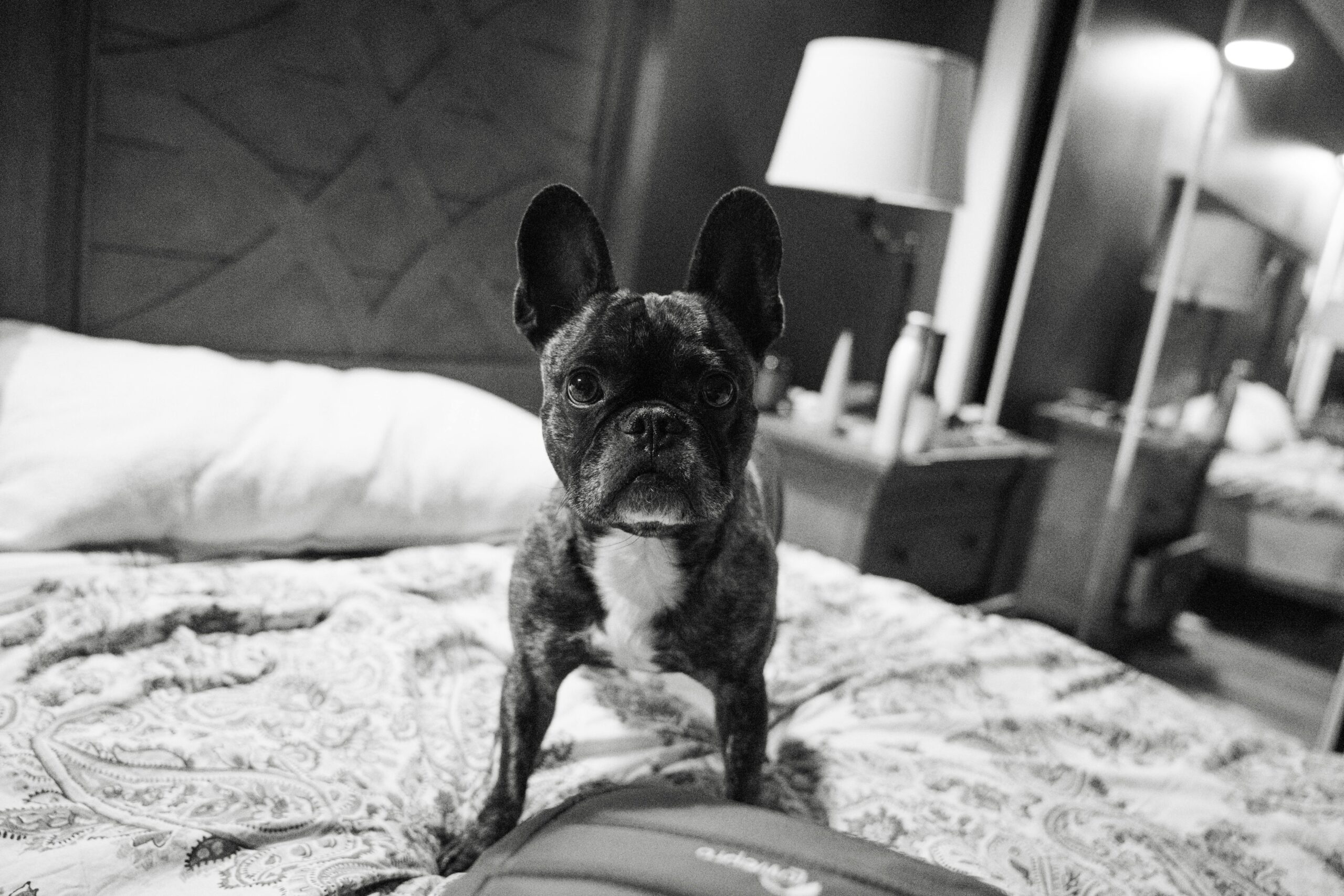

Living in a household with both children and dogs can be one of the most joyful and chaotic experiences imaginable. As a professional dog trainer, I’ve worked with countless families around Raleigh who simply want their dog and kids to coexist peacefully. The good news? With the right structure, consistency, and involvement from everyone in the home, it’s absolutely achievable.
Let’s explore how families can set clear expectations, reduce stress, and build a calm, respectful bond between kids and their furry companions.

Why Training Matters in Family Homes
Dogs living in busy households face constant stimulation: kids running, shouting, grabbing toys, or even unintentionally testing boundaries. Without structure, your dog may become overstimulated, reactive, or even confused about what’s expected of them.
Structured training doesn’t just teach commands. It fosters:
- Impulse control (not jumping or nipping)
- Confidence around children
- Understanding of boundaries and safe zones
- A calmer, more predictable household routine
When your dog understands their role in the family dynamic, everyone benefits, especially the kids.
Tip #1: Teach Kids How to Interact Respectfully
One of the most overlooked areas in dog training is human training, especially when it comes to young children. Kids must understand that dogs are not toys. Here’s how to coach them:
- Don’t disturb the dog while eating or sleeping.
- Use gentle touches only. No pulling tails or ears.
- Avoid loud shrieks or sudden movements near the dog.
- Don’t take toys or bones directly from the dog’s mouth.
Children can be wonderful trainers too. When taught properly, they can participate in giving commands like sit, down, or place, reinforcing positive habits in a safe and supervised way.
Tip #2: Designate a “Kid-Free Zone” for Your Dog
Every dog needs a safe haven. This might be a crate, a dog bed in a quiet corner, or a specific room. When your dog retreats there, that’s their downtime. Teach your children to respect this boundary and avoid approaching or touching the dog while they’re in this space.
This strategy supports self-regulation and helps prevent issues like overstimulation or resource guarding. It also mirrors strategies discussed in our post on how to teach your dog to stay calm when guests visit, where calm behavior is rewarded and boundaries are protected.
Tip #3: Make Training a Family Activity
Training works best when it’s consistent and everyone is on the same page. That means the commands, tone, and rules should be uniform across all family members, including kids.
Here are fun, simple ways to involve your children:
- Reward charts: Kids can track the dog’s good behavior.
- “Simon Says” games: Practice commands like sit, stay, and come in a game format.
- Story time: Teach kids to calmly sit near the dog and read aloud to promote bonding and calmness.
Training together as a family creates unity, builds responsibility, and reinforces the dog’s understanding of the household rules.
Tip #4: Focus on Foundational Obedience
At Off Leash K9 Training Raleigh, we always recommend families begin with our Basic Obedience Program. This ensures your dog understands essential commands like heel, sit, down, place, and recall, even with distractions.
For family homes, this training is critical to:
- Prevent jumping on kids or visitors
- Stop leash pulling during walks with strollers
- Curb excitement-based nipping or rough play
- Establish calm behaviors in and around the home
Explore the structure and benefits of our Basic Obedience Program to see how quickly you can transform daily life with your pup.
Tip #5: Supervise Interactions at All Times
Even the most patient dogs can have limits. Rough play, high-pitched screaming, or unintentional poking may stress a dog out. Never leave a young child and dog unsupervised. Not because either is “bad,” but because both are still learning what’s acceptable.
Supervision ensures you can redirect inappropriate behavior immediately, whether it’s the dog jumping or the child pulling on ears. This protects everyone and reinforces calm, respectful interactions.
Tip #6: Address Issues Early and Professionally
If your dog shows signs of guarding toys, food, or space around kids, don’t ignore it. Early intervention can prevent these behaviors from escalating. Family households often need tailored training solutions, especially when kids are part of the dynamic.
In cases like these, working with a professional trainer who understands both behavior science and family structure is critical. You can read more about specific concerns like fixing food aggression in dogs if that’s something you’re noticing at home.
Tip #7: Create Predictable Routines
Dogs thrive on routine, and so do children. Feeding, walking, playtime, and training should all happen at regular times throughout the day. This predictability reduces anxiety, helps kids stay engaged in dog care, and gives your pup clear structure.
Some helpful ways to create a consistent routine include:
- Designating a specific family member for each task (morning walk, feeding, etc.)
- Scheduling short, focused training sessions daily
- Keeping playtimes and quiet times clearly separated
For more ideas on safe, fun ways to integrate your children into play and training, the AKC offers excellent guidance on how to teach kids and dogs to play together.
Final Thoughts: Kids and Dogs Can Thrive Together
Raising kids alongside a well-trained dog can be an incredible gift. The lessons of patience, compassion, and responsibility last a lifetime for both your children and your pup. But it all starts with structure, supervision, and a commitment to ongoing training.
If you’re ready to create a calmer, more connected household, reach out to our team at Off Leash K9 Training. We’ll walk alongside your family to build the skills and routines that make life with a dog enjoyable for everyone. You can contact us directly through our website to learn more or get started.