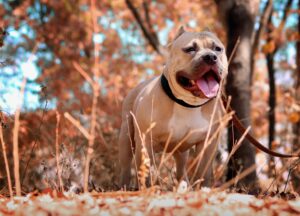
Few things are more stressful than a dog lunging, barking, or growling while on leash. Whether it happens when passing other dogs, people, or even bicycles, leash reactivity can make daily walks feel like a battle. Many owners in Raleigh ask me the same question: “Why is my dog fine off-leash but reactive on-leash?” The answer lies in understanding what leash reactivity really is, and what it isn’t.
Let’s uncover the causes, debunk some common myths, and explore effective ways to fix leash reactivity for good.
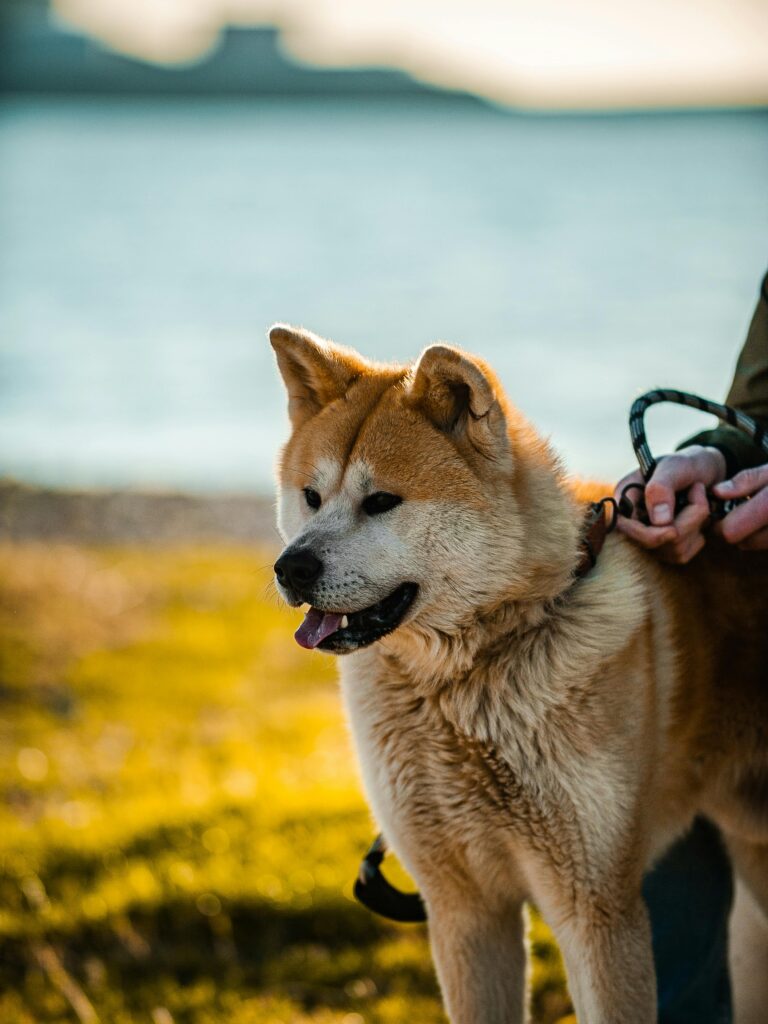
What Is Leash Reactivity?
Leash reactivity is when a dog overreacts to stimuli while restrained on a leash. It’s not always aggression. In many cases, it stems from frustration, excitement, fear, or a lack of impulse control.
Signs include:
- Barking or growling at approaching dogs or people
- Lunging or pulling toward distractions
- Stiff body posture and raised hackles
- Whining or pacing when unable to greet
The leash itself plays a big role. Being restrained removes your dog’s natural choice to approach or retreat, which can increase stress and escalate their reaction.
Common Causes of Leash Reactivity
- Frustration: Dogs who want to greet but can’t may overreact out of excitement.
- Fear or anxiety: A nervous dog may bark or lunge to create distance.
- Lack of socialization: Limited exposure to other dogs or people leads to overreaction.
- Owner tension: Dogs often feed off our stress. A tight grip or nervous energy can worsen reactivity.
- Mixed signals: Inconsistent rules, corrections, or reinforcement confuse the dog.
Understanding the root cause is the first step toward resolving it.
Myths About Leash Reactivity
- “Reactive dogs are aggressive.” Not always. Many reactive dogs are social off-leash but struggle with restraint.
- “They’ll grow out of it.” Reactivity typically worsens if ignored. Early intervention is critical.
- “Correcting harshly will fix it.” Harsh punishment often increases stress, making reactivity worse.
- “Avoiding walks is the answer.” Avoidance doesn’t fix the problem. It just limits your dog’s world.
Fix #1: Build Focus and Engagement
Your dog can’t react to distractions if they’re focused on you. Teach engagement games and reward eye contact.
- Reward when your dog looks at you during walks.
- Use cues like “look” or “watch me.”
- Practice in low-distraction environments first, then gradually increase difficulty.
This engagement builds trust and redirects energy away from triggers.
Fix #2: Master Loose Leash Walking
Dogs that pull are more likely to escalate when distractions appear. Teaching loose leash walking creates calmness before reactivity starts. Our blog on how many hours to train your dog breaks down how to structure effective sessions for leash manners.
Fix #3: Create Distance and Control
Don’t force your dog into situations they can’t handle. If a trigger is too close, cross the street, turn around, or increase distance until your dog can remain calm. Over time, reduce distance gradually as your dog learns to cope.
Fix #4: Use Place and Impulse Control
Impulse control commands like place and stay are game changers. Practice these at home, then bring them into real-world walks. Structured commands give your dog a job and prevent them from fixating on triggers.
This approach mirrors strategies in our post on teaching your dog to stay calm when guests visit, where structure and calm reinforcement stop overstimulation.
Fix #5: Work With a Professional
Leash reactivity is one of the most common reasons owners seek training. A professional can help you identify the root cause, customize exercises, and ensure your corrections are fair and effective. At Off Leash K9 Training Raleigh, our Aggressive Dog Training program is tailored for reactivity and behavioral concerns.
External Support and Resources
The AKC provides a helpful article on reactivity vs aggression that explains the difference and why it matters. Understanding this distinction can help owners approach training with the right mindset.
Final Thoughts: Calm, Confident Walks Are Possible
Leash reactivity doesn’t mean your dog is bad or aggressive. It simply means they need structure, guidance, and training to learn how to handle triggers calmly. With the right plan, your daily walks can transform from stressful to enjoyable.
If leash reactivity is disrupting your life, our team at Off Leash K9 Training Raleigh is here to help. Contact us today through our website and let’s create a plan that works for you and your pup.