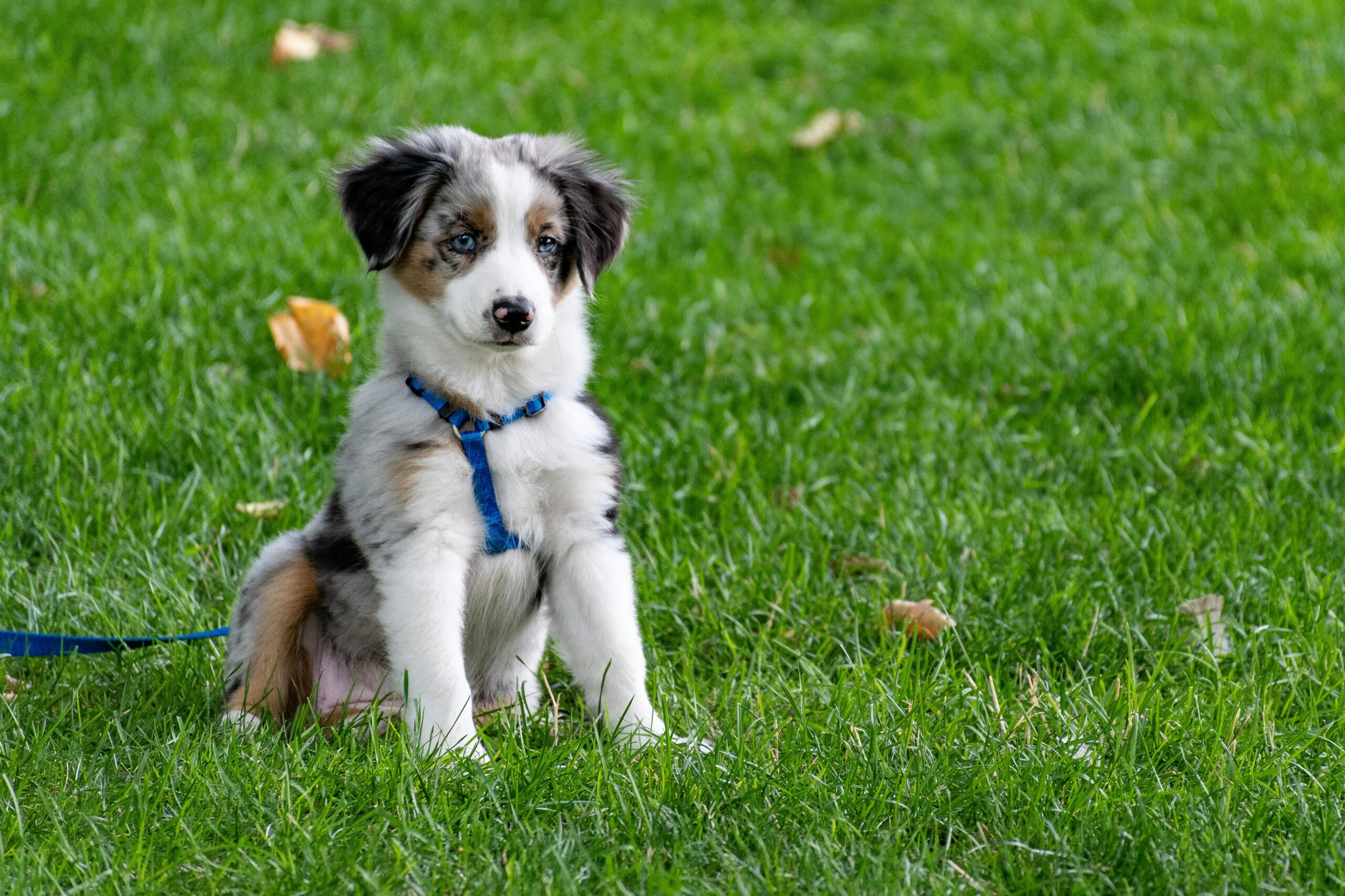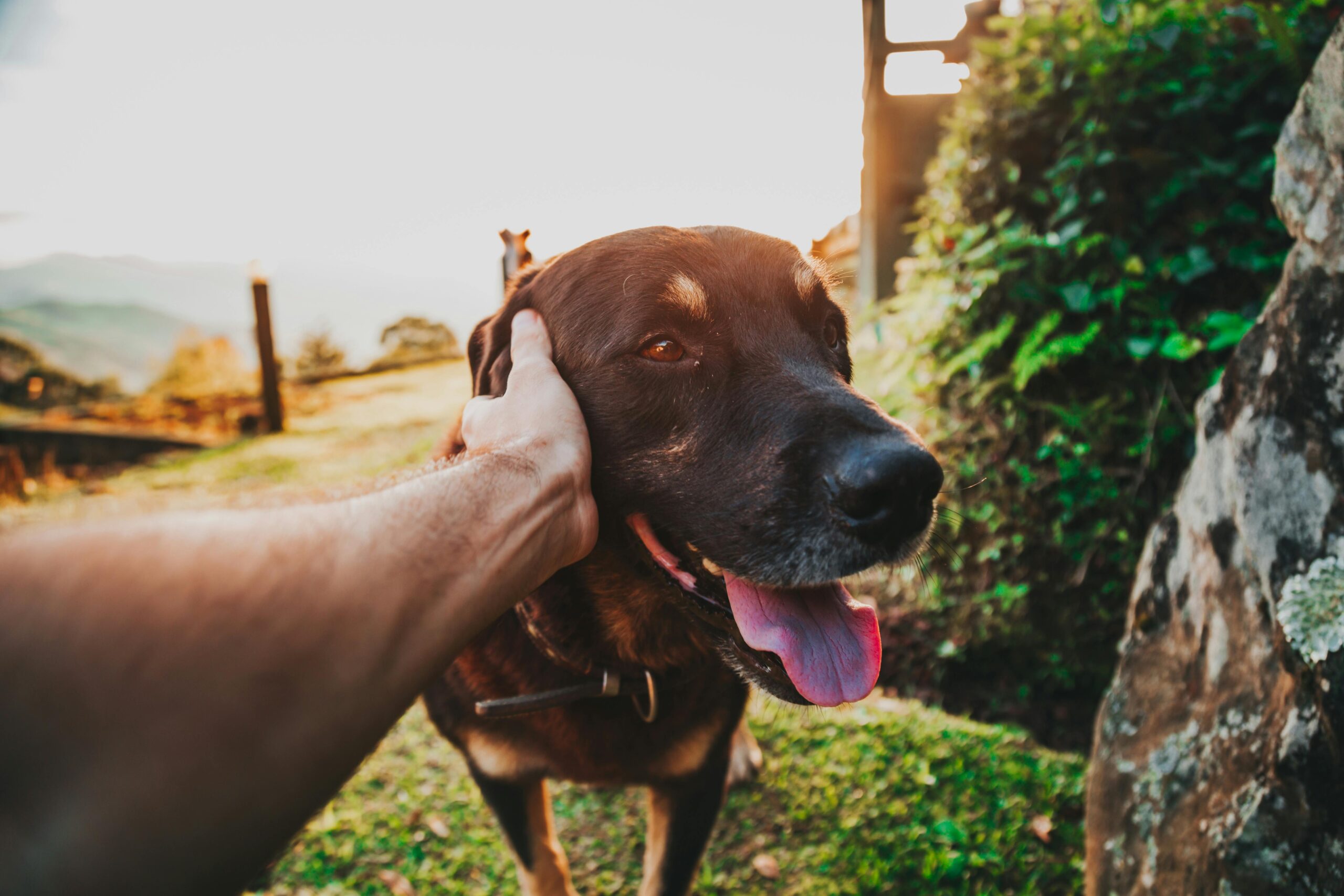
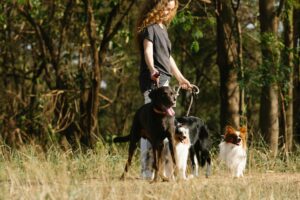
With cooler weather on the horizon, fall is the perfect time to explore Raleigh’s trails, parks, and vibrant downtown areas with your dog. But nothing ruins a scenic walk faster than your pup dragging you down the sidewalk or lunging at squirrels.
Loose leash walking is a foundational skill that improves both your relationship with your dog and your overall quality of life. Whether you’re strolling through the State Farmers Market or hiking Lake Johnson, leash manners matter.
Let’s break down what loose leash walking really means, how to teach it effectively, and why it’s essential before your fall adventures begin.
What Is Loose Leash Walking?
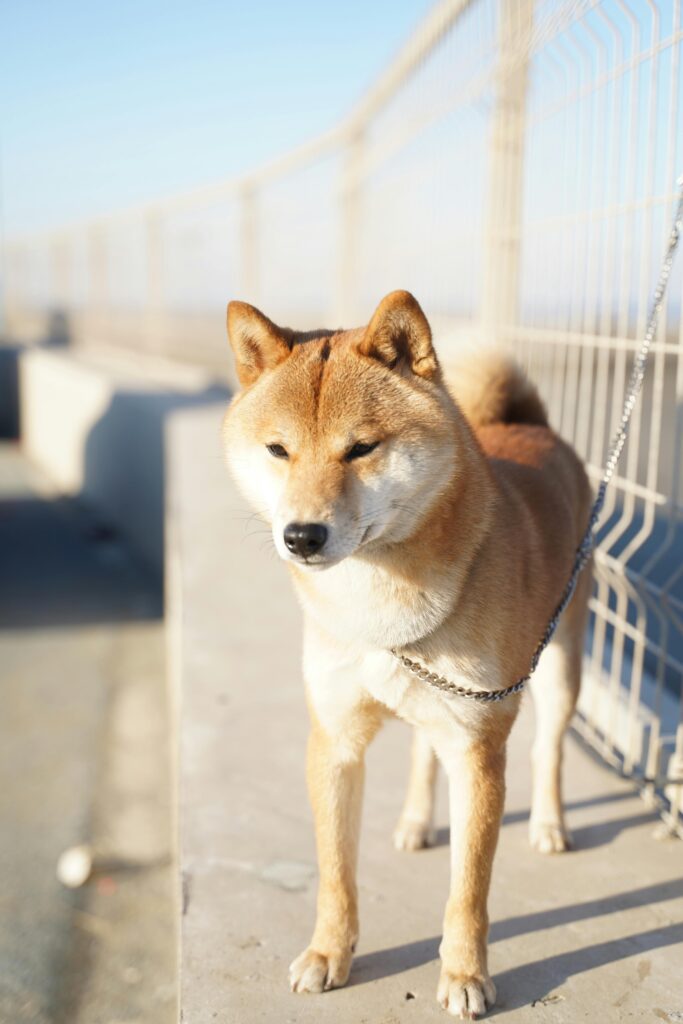
Loose leash walking means your dog walks calmly beside you with a slack leash, no pulling, dragging, or zigzagging. It’s not the same as a strict “heel” position, which requires precision and attention. Instead, loose leash walking gives your dog freedom to explore while maintaining control and mutual respect.
Key characteristics include:
- A relaxed leash (no tension)
- The dog staying within a 2–3 foot radius
- No crossing in front or behind
- Responding to leash pressure without resistance
This balance allows for enjoyable walks while keeping your dog safe and focused.
Why Fall Is the Perfect Time to Practice
Autumn brings cooler temperatures, beautiful scenery, and more opportunities to be outdoors. It’s also less physically taxing for your dog to walk longer distances without overheating.
Practicing loose leash walking now sets your dog up for:
- Hiking trips and park visits
- Pumpkin patch strolls
- Farmer’s markets and festivals
- Campus or downtown walks
- Safer and more pleasant daily exercise
If you’ve been putting off leash training due to the summer heat, now’s your moment to commit.
Step 1: Choose the Right Gear
Before training begins, make sure you’re using the right tools. Avoid retractable leashes or long lines during training, they encourage pulling and reduce control.
We recommend:
- A standard 4–6 foot leash
- A well-fitted flat collar or training collar (based on your dog’s needs)
- A treat pouch or reward system
- A calm, distraction-reduced environment for initial sessions
If you’re unsure whether to use a harness, head collar, or standard collar, the AKC breaks down the pros and cons of dog harnesses vs. collars to help you decide what fits your dog best.
Step 2: Start With Focus Drills
Before expecting your dog to walk politely outside, practice attention and focus games indoors or in your backyard. These drills help build engagement and teach your dog that walking near you leads to rewards.
Try:
- Name response: Say your dog’s name and reward when they look at you
- Touch: Teach your dog to touch your hand with their nose
- Eye contact: Reward voluntary eye contact during walks
Building this communication foundation is essential before layering in leash cues.
Step 3: Use Directional Changes
The biggest mistake I see is people walking in a straight line while their dog pulls the entire time. Instead, keep your dog guessing and engaged by changing directions frequently.
Here’s how:
- As soon as your dog pulls, turn and walk the opposite way
- Reward your dog for following you and checking in
- Repeat until your dog learns that pulling leads to redirection
Over time, your dog will stay closer and look to you for guidance.
Step 4: Reward Position, Not Just Movement
Don’t wait until your dog “messes up” to correct them. Proactively reward when they’re in the correct position. This can be with food, praise, or even a quick game if your dog is toy-motivated.
Reward when:
- The leash is slack
- Your dog walks beside or slightly behind you
- They check in visually or walk with focus
Remember, your timing matters. Rewards should happen within 1–2 seconds of the desired behavior.
Step 5: Gradually Add Distractions
Once your dog can walk nicely in low-distraction environments, start adding in real-world challenges like traffic, people, and other dogs. This step is where many owners struggle, but it’s also where the most meaningful progress happens.
The key is pacing:
- Don’t rush into crowded areas too soon
- Increase distractions slowly and reward success
- If your dog pulls or loses focus, go back a step and rebuild
For a detailed breakdown of how to layer training into real-world scenarios, check out our post on how to teach your dog to stay calm when guests visit. The same methods apply to public walks and outings.
Step 6: Avoid the “Yank and Go”
Jerking the leash, dragging your dog forward, or scolding them for pulling may stop the behavior momentarily, but it doesn’t teach anything lasting. Instead, rely on structured redirection and reinforcement.
Use calm body language, redirect with turns, and reward improvement. Dogs learn best when they’re clear on what you want, not just what you don’t want.
Step 7: Be Consistent and Patient
Loose leash walking takes time, especially if your dog has a long history of pulling. The goal isn’t perfection overnight, it’s steady improvement with each walk.
To stay on track:
- Train in short sessions (10–15 minutes)
- Celebrate small wins like 10 feet of slack leash
- Use consistent cues (like “let’s go” or “easy”)
- Avoid mixing training walks with casual sniff-around walks during learning phases
Consistency reinforces expectations and builds long-term habits.
Want More Help? We’ve Got You
At Off Leash K9 Training Raleigh, our Basic & Advanced Obedience Program includes loose leash walking as a core skill. We teach your dog how to walk politely in real-life environments, even with distractions like crowds, bikes, or busy sidewalks.
Our goal is to help dogs become calm, responsive, and fun companions, no matter where the trail (or sidewalk) takes you this fall.
Final Thoughts: Enjoy Fall With a Focused Companion
Mastering loose leash walking opens the door to countless fall adventures, from pumpkin patches to peaceful morning strolls. With consistent practice, smart reinforcement, and the right tools, you’ll go from being dragged to leading the way.
If you need support with leash manners or want a customized walking routine, our team is ready to help. You can reach out to us anytime through our contact page to get started.