
Obedience training is not a one-time project, it’s a lifelong journey. Just as people grow, mature, and face new challenges, dogs require ongoing structure, guidance, and reinforcement throughout their lives. Whether you’ve just brought home a new puppy or you’re supporting a senior companion, obedience training provides the tools to create calm, confident, and well-mannered dogs at every age.
As a professional dog trainer in Raleigh, I’ve worked with families across all life stages, from wiggly puppies to wise seniors. This guide will walk you through what to expect, what to prioritize, and how to adapt your training as your dog grows.
Why Obedience Training Never Stops
Many owners think obedience training ends after puppyhood or basic classes. But the truth is, training is like exercise, you don’t stop once you’re fit, you maintain it. Dogs benefit from consistent reinforcement at every age, which:
- Strengthens the bond between you and your dog
- Builds confidence in new environments
- Provides mental stimulation and reduces boredom
- Prevents unwanted behaviors from forming
- Keeps dogs safe in real-world scenarios
Obedience training evolves, but it never loses its importance.
Puppy Stage (8 Weeks – 6 Months)
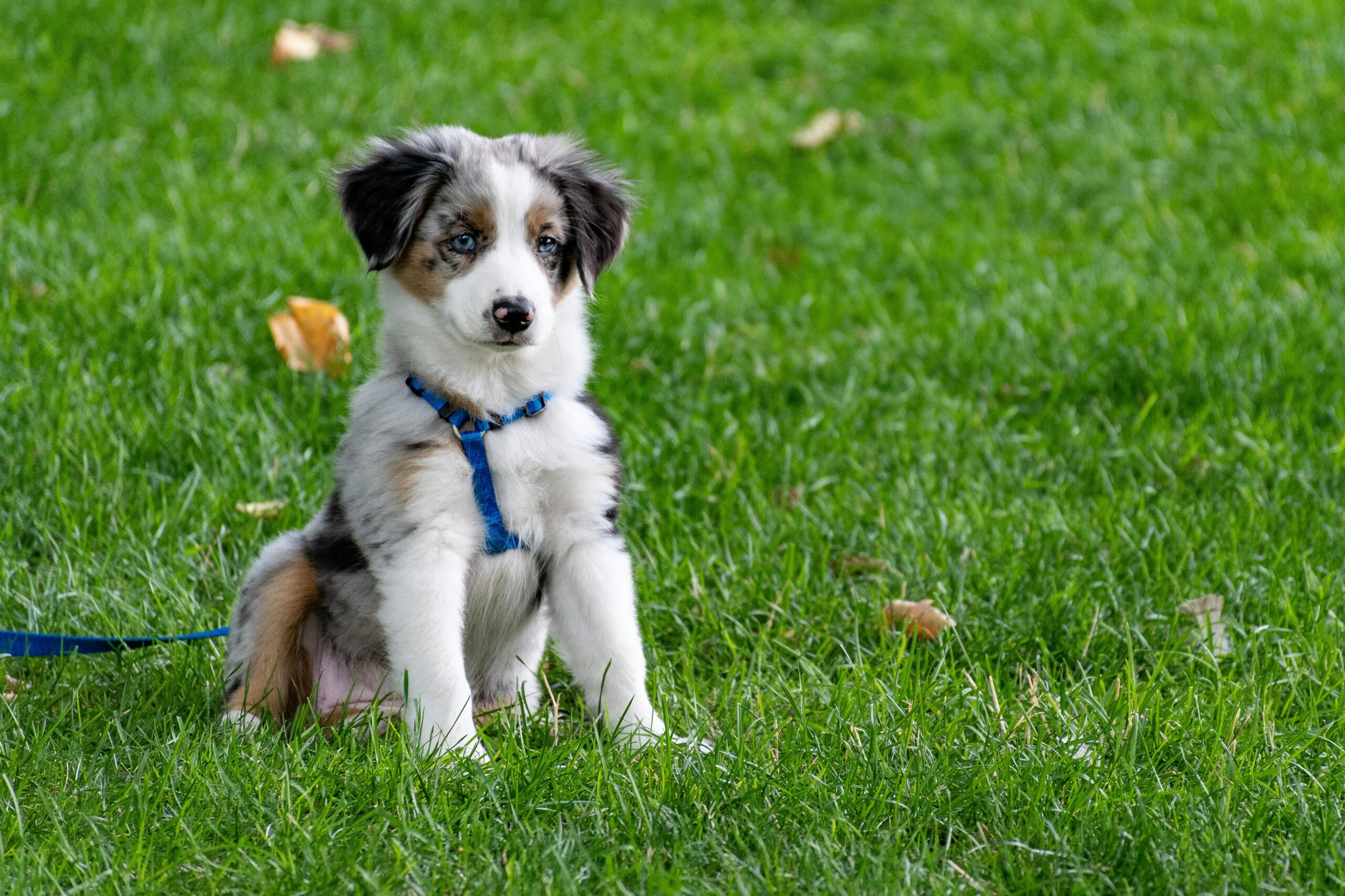
The puppy stage is all about foundation. At this age, dogs are like sponges, eager to learn, curious about the world, and full of energy. What you teach now will shape your dog’s confidence and behavior for years to come.
Key Focus Areas:
- Housebreaking: Establish a consistent potty schedule.
- Crate training: Teach independence and create safe spaces.
- Socialization: Safely expose your puppy to people, environments, and sounds.
- Basic commands: Sit, down, come, place, heel.
Training sessions should be short (3–5 minutes), fun, and rewarding. Puppies have limited attention spans, so keep things positive and consistent.
For extra support, our post on housebreaking your puppy offers practical strategies for this crucial stage.
Adolescent Stage (6 Months – 2 Years)
Adolescence is often the most challenging stage. Just like teenagers, adolescent dogs push boundaries and test limits. Many behavioral problems, like jumping, nipping, or ignoring commands, emerge here.
Key Focus Areas:
- Impulse control: Reinforce calmness around distractions.
- Consistency: Avoid letting rules slide, dogs remember.
- Structured exercise: Provide physical and mental outlets for energy.
- Advanced obedience: Add distance, duration, and distractions to commands.
This is also when many families invest in professional help, as adolescent dogs often develop strong habits quickly. Our Basic & Advanced Obedience Program is designed to bring structure back into this chaotic stage.
Adult Stage (2 – 7 Years)
By adulthood, dogs have matured physically and mentally. This is the prime stage for reliability. With a solid foundation, adult dogs can handle more complex training and thrive in real-world scenarios.
Key Focus Areas:
- Distraction-proofing: Training in public places like cafes, markets, and trails.
- Off-leash reliability: Practicing recall and obedience without the leash.
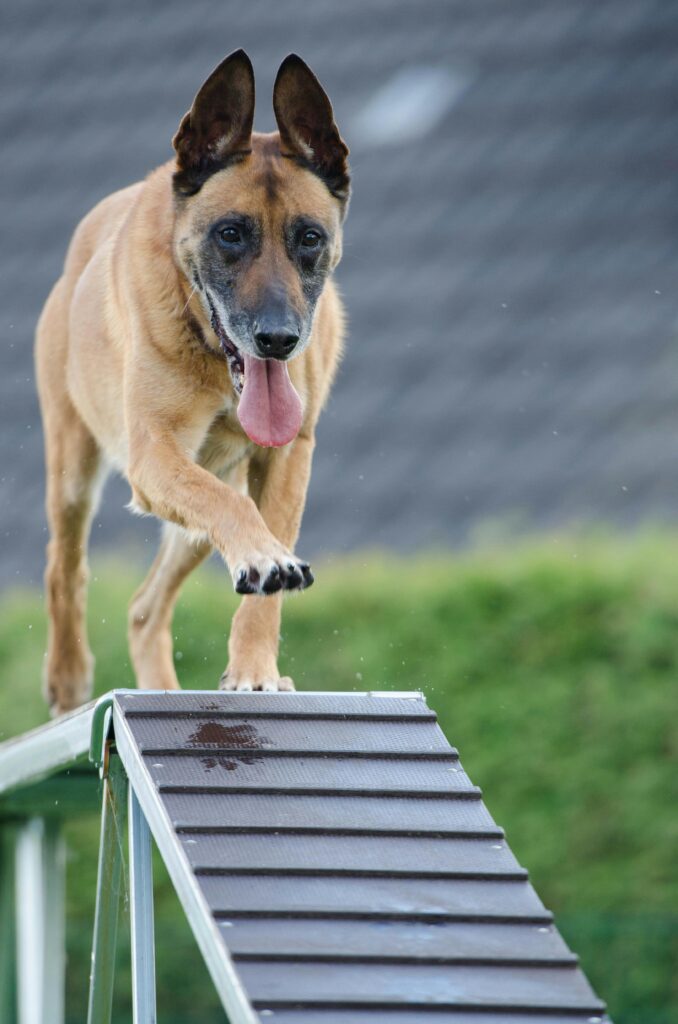
- Task-based training: Agility, scent work, or advanced tricks.
- Reinforcement: Ongoing practice to prevent regression.
This is where training truly integrates into daily life. For example, a simple walk around Raleigh’s greenways can double as an obedience session, reinforcing commands like heel and leave it around joggers, cyclists, and wildlife.
Senior Stage (7+ Years)
Senior dogs may slow down, but that doesn’t mean training stops. In fact, obedience becomes even more important for maintaining quality of life as dogs age.
Key Focus Areas:
- Gentle reinforcement: Keep commands sharp with shorter sessions.
- Adapted exercises: Swap high-energy drills for low-impact tasks.
- Cognitive stimulation: Use training as mental enrichment to prevent decline.
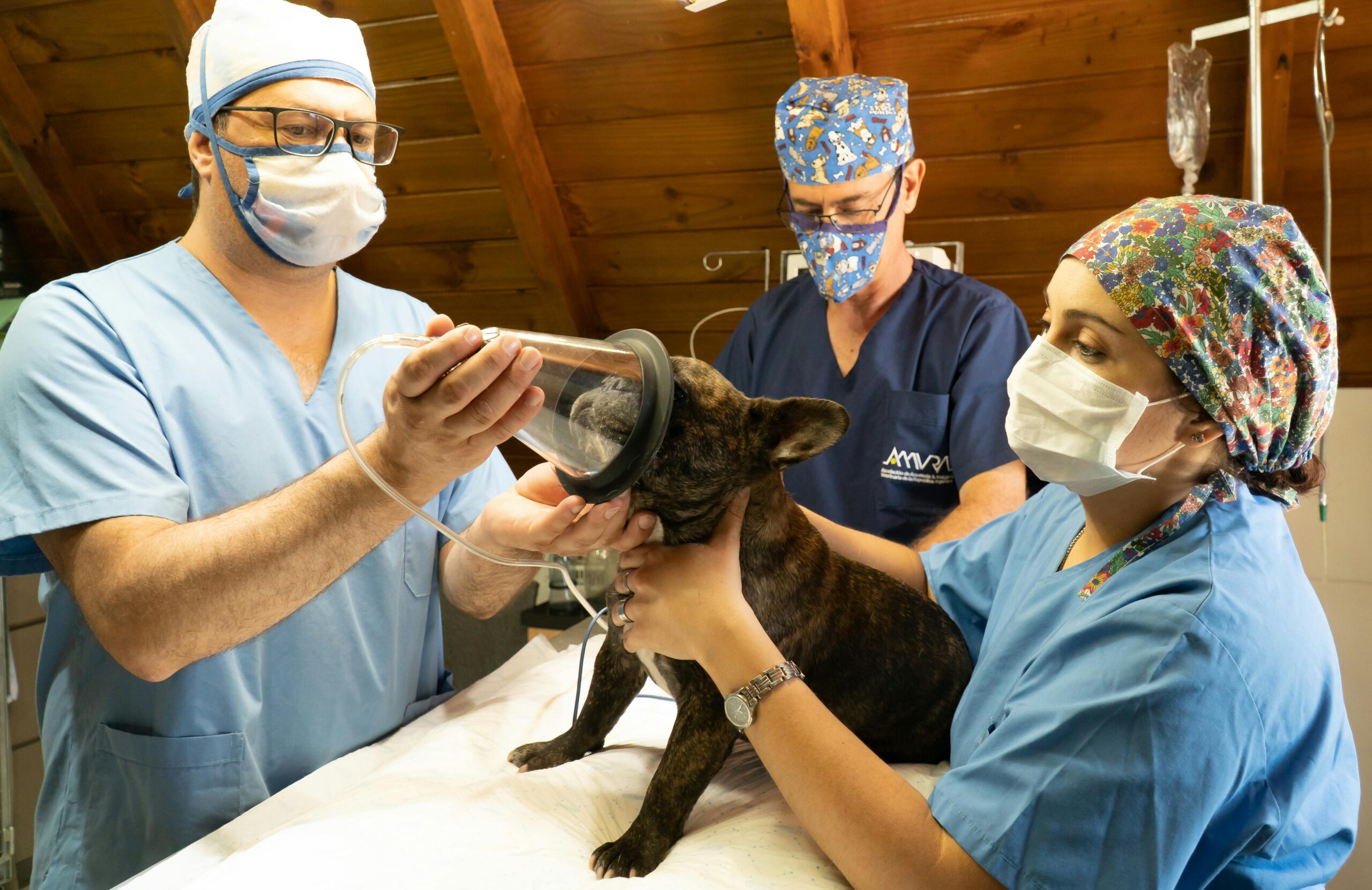
- Comfort: Teach calm commands for vet visits, grooming, and mobility aids.
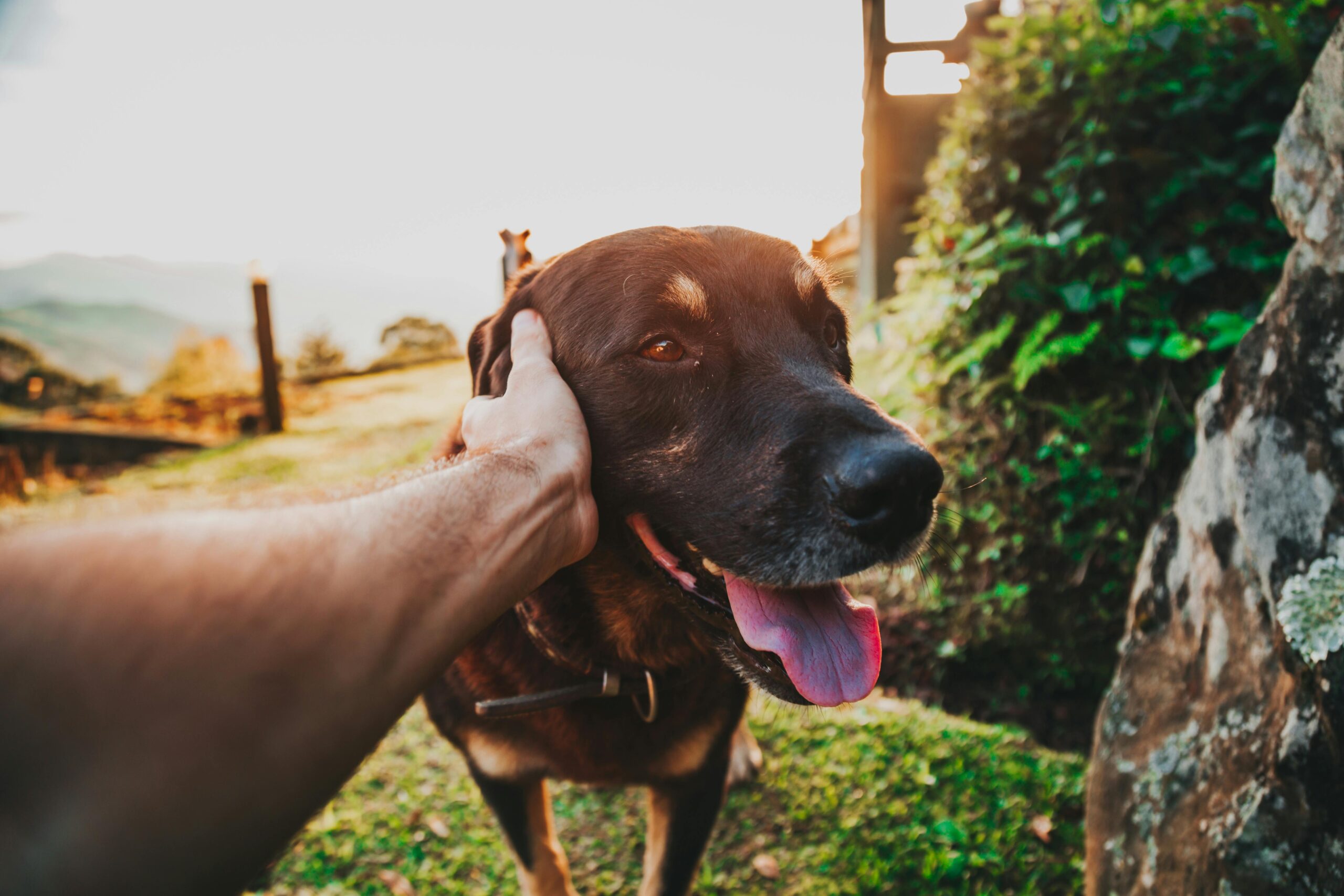
Older dogs often need patience and understanding, but they’re just as capable of learning and benefitting from structure as their younger counterparts.
Training for Real-World Scenarios
No matter the stage, training should extend beyond the living room. Dogs need to practice obedience where life happens: sidewalks, dog-friendly patios, and busy parks. This ensures your dog listens not only when it’s easy, but also when distractions are everywhere.
For guidance on transitioning from home to real-world training, our article on teaching your dog to stay calm when guests visit provides principles that carry over to public settings as well.
How Much Time Should You Spend Training?
Owners often ask how many hours they should dedicate to training. The answer depends on your dog’s age, energy, and goals. Puppies need short bursts, adolescents need structure and consistency, and adults thrive on reinforcement. Seniors benefit from short, gentle sessions that keep them sharp.
For a deeper dive, read our full post on how many hours to train your dog.
Tools to Support Training
Consistency doesn’t just happen through sessions, the right tools make a difference. These include:
- A crate for structure and downtime
- A leash and collar suitable for your dog’s needs
- High-value rewards for motivation
- Designated training mats or “place” beds
The AKC also provides a helpful guide to fall dog grooming, reminding owners that care and training go hand in hand. A well-groomed, comfortable dog is more focused and responsive in training.
The Role of Professional Training
While many owners make great progress on their own, professional trainers can accelerate results. Programs like our Basic & Advanced Obedience Program give dogs and owners the structure, consistency, and coaching needed for lasting success.
Whether you’re raising a new puppy or reinforcing skills with a senior, professional guidance ensures training adapts to your dog’s individual needs.
Final Thoughts: Training Is a Lifelong Investment
Obedience training at every stage of life builds confidence, trust, and freedom for your dog. It transforms chaotic energy into calm companionship and prepares your pup for whatever life brings. Training is not just about commands, it’s about creating a shared language between you and your dog.
If you’re ready to invest in your dog’s obedience journey, our team at Off Leash K9 Training Raleigh is here to guide you through every step. Contact us today through our website to start building reliable obedience for life.