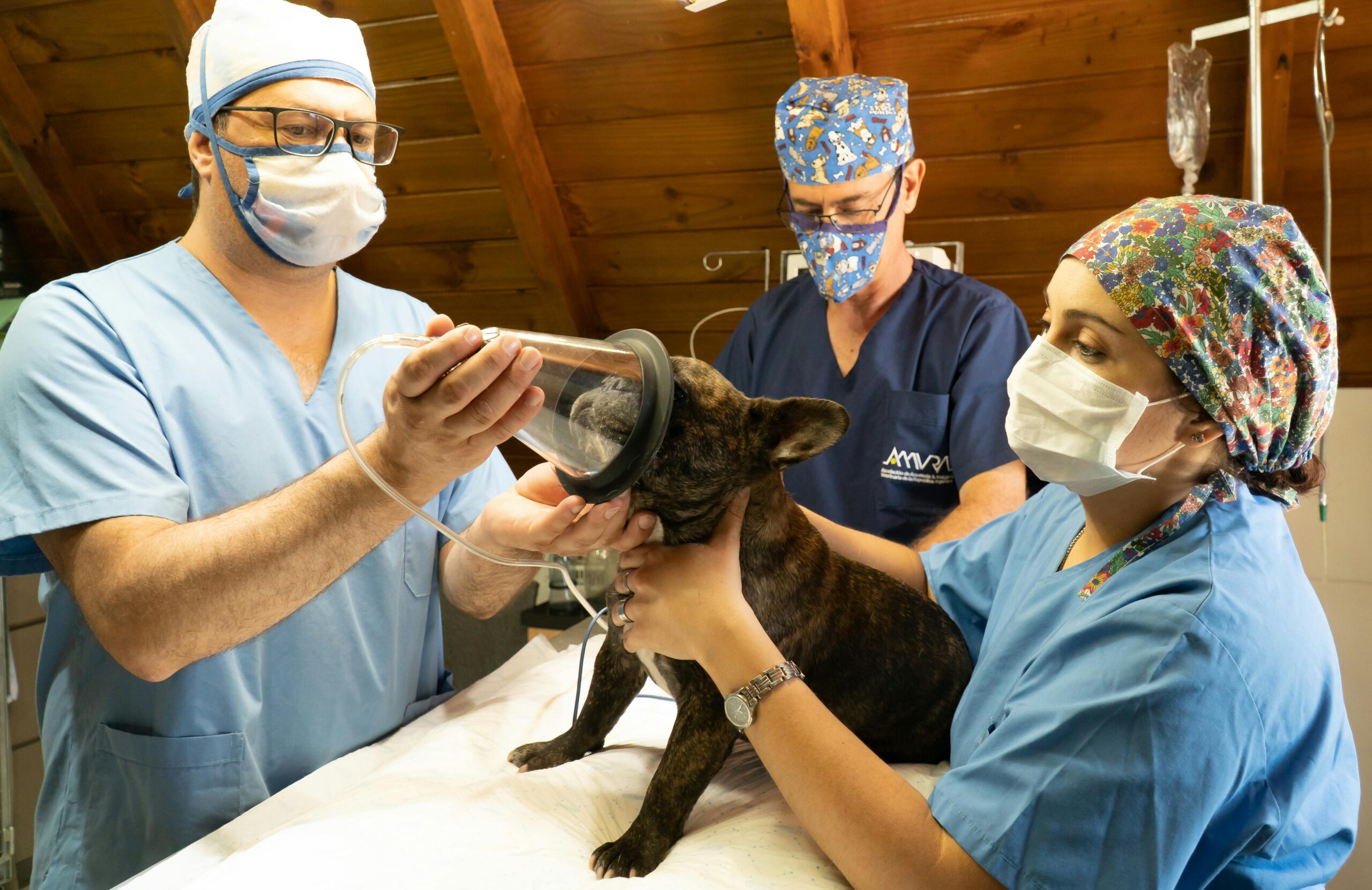
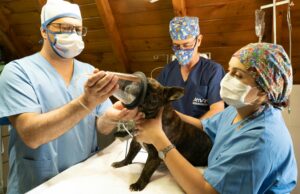
As a professional dog trainer, I often work alongside veterinarians during some of the most critical moments in a dog’s life. One of those moments is pet surgery. Whether it is a routine procedure or something more complex, pet surgery can be stressful for dogs and owners alike. What many people overlook is that recovery and aftercare play just as big of a role as the procedure itself.
When handled correctly, aftercare helps dogs heal faster, stay calm, and avoid setbacks that could delay recovery or create long term behavioral issues.
What Pet Surgery Means for Your Dog
Pet surgery places both physical and emotional demands on a dog. Even dogs that are normally confident can feel disoriented, sore, or anxious after anesthesia and medical handling.
Common reasons dogs undergo pet surgery include:
- Spay and neuter procedures
- Dental surgeries
- Mass removals
- Orthopedic repairs
- Emergency medical treatment
Each type of pet surgery comes with its own recovery guidelines, but all of them rely heavily on controlled behavior during healing.
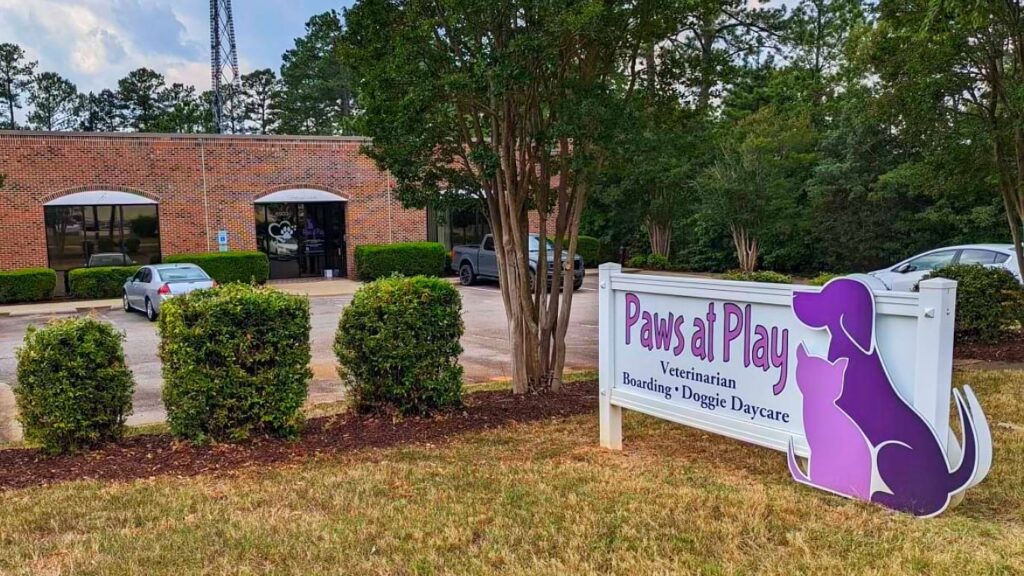
That is why working with a trusted veterinary provider like Paws At Play Veterinary Hospital in Raleigh is so important. Their team takes time to educate owners on what to expect before and after procedures. If questions come up during recovery, they can be reached at 919-785-9410 or through their contact page.
Why Proper Aftercare Matters After Pet Surgery
After pet surgery, your dog’s body is focused entirely on healing. Excessive movement, stress, or excitement can interfere with that process and lead to complications.
From a training standpoint, the biggest challenges I see during recovery are behavioral. Dogs that pull on leash, jump, pace, or resist confinement are more likely to reopen incisions or prolong healing.
Proper aftercare supports:
- Faster healing
- Reduced inflammation and irritation
- Lower stress levels
- Safer medication administration
- Consistency in behavior and routine
Pet surgery recovery is not the time to remove structure. It is the time to reinforce calm behavior and clear expectations.
How Training Supports Surgical Recovery
Dogs with strong obedience foundations recover more smoothly from pet surgery. They understand boundaries and are better equipped to handle temporary restrictions.
The most valuable skills during recovery include:
- Holding a place command for rest
- Settling into a down position calmly
- Walking politely on leash for short potty breaks
- Comfort with crates or recovery areas
- Calm handling during wound checks and medication
Recovery periods mirror many of the same principles discussed in why winter training is perfect for progress. Limited activity does not mean lost training. It often strengthens impulse control.
Preparing Your Home for Aftercare Success
Before your dog returns home from pet surgery, the environment should be set up for success. A calm space reduces anxiety and prevents unnecessary movement.
Helpful aftercare preparation includes:
- Blocking access to stairs and furniture
- Using gates or pens if needed
- Keeping leashes nearby for controlled movement
- Preparing enrichment that does not involve physical activity
- Setting medication reminders
Veterinary instructions are critical, but behavioral management at home is what keeps those instructions effective.
Common Aftercare Mistakes to Avoid
Even well meaning owners can unintentionally slow recovery after pet surgery. The most common mistakes include:
- Allowing off leash movement too soon
- Skipping protective collars
- Letting dogs jump on couches or beds
- Relying on medication without supervision
- Relaxing rules out of guilt
Consistency is essential. Dogs do not understand healing timelines, but they do understand routine.
When Professional Training Helps the Most
Dogs that struggle with impulse control or anxiety often have a harder time during recovery. This is where structured training provides real value.
Many owners choose the Basic & Advanced Obedience Program to help their dogs develop calm behaviors that make pet surgery recovery safer and less stressful. Dogs that can settle on command heal more smoothly and experience less frustration during restricted activity.
Final Thoughts
Pet surgery does not have to be overwhelming. With proper aftercare, clear structure, and teamwork between trainers, veterinarians, and owners, recovery can be calm and successful.
If you want guidance on preparing your dog for medical procedures or maintaining obedience during recovery, speaking with a professional trainer can make a meaningful difference. You can start that conversation by visiting our contact page and learning how we support dogs through every stage of life.