Dog socialization isn’t just about puppy classes or backyard playdates. True socialization happens out in the real world, where your dog learns to handle unpredictable sights, sounds, and situations with confidence and calmness. Whether you’re walking through downtown Raleigh, relaxing at a local café, or hiking the trails, your dog is constantly interpreting new environments.
As a professional dog trainer, I’ve helped many Raleigh dog owners overcome the gap between at-home training and real-world reliability. The good news is, any dog can become better socialized with the right strategy and preparation.
Let’s walk through what real-world socialization looks like and how to help your dog succeed.
What Is Real-World Socialization?
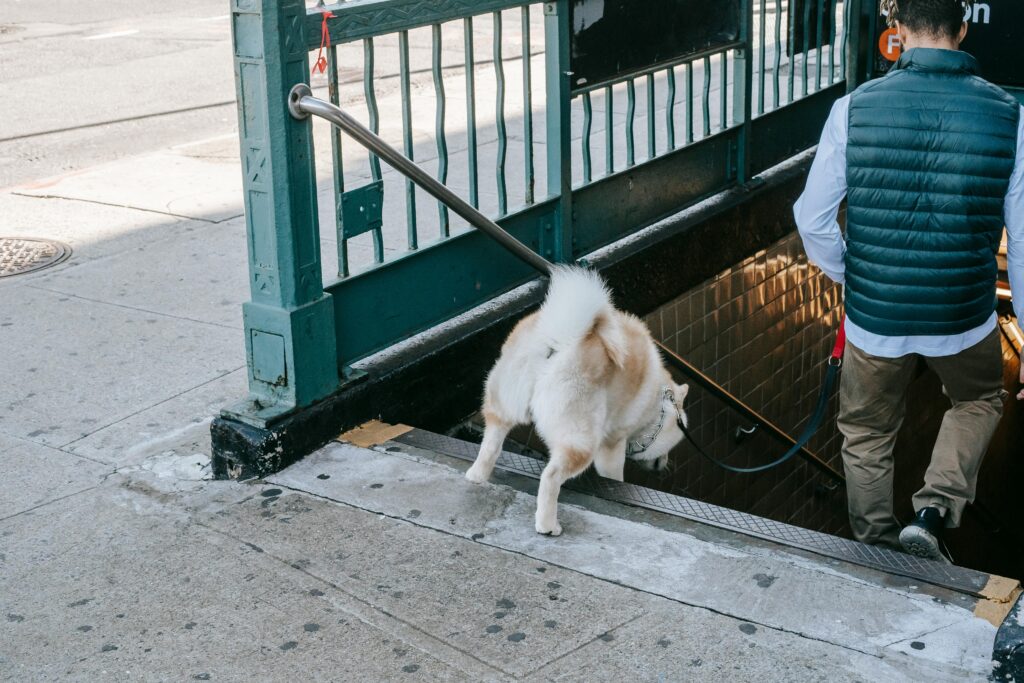
Socialization isn’t just about meeting people or other dogs. It’s the process of teaching your dog to remain calm, focused, and well-mannered in a wide variety of settings.
A well-socialized dog can:
- Stay relaxed around crowds or traffic
- Ignore other dogs on leash
- Sit calmly at an outdoor café
- Walk confidently through busy parks or trails
- Remain responsive to commands in distracting environments
The goal isn’t to get your dog to love everything. It’s to teach them neutrality and trust in your leadership regardless of where you go.
Step 1: Start With Controlled Exposure
Before heading into the busiest parts of Raleigh, begin with small, predictable environments. This helps your dog build confidence and gives you more control during early socialization training stages.
Start with:
- Quiet parks with low foot traffic
- Parking lots or sidewalks during slow hours
- Pet-friendly stores during off-peak times
Keep initial visits short and positive. Focus on engagement with you rather than letting your dog fixate on the environment. Use food rewards, praise, or toys to reward calm behavior and redirect attention as needed.
Step 2: Use Structured Commands in Public
Many owners take their dog into public hoping they’ll “just behave,” but without practiced structure, most dogs get overstimulated quickly. Using obedience commands in real settings reinforces focus and builds confidence.
Some of the most effective commands for public outings include:
- Place: Bring a mat or towel to use at cafes, parks, or benches
- Heel: Keep your dog close and attentive while walking through distractions
- Down-Stay: Great for settling during lunch or people-watching
- Leave It: Essential for ignoring food, trash, or strangers reaching out
If your dog struggles to perform these commands reliably in public, now is the perfect time to revisit your training. Our Basic & Advanced Obedience Program is designed to build strong command performance even in high-distraction environments.
Step 3: Set Boundaries With Strangers and Other Dogs
Not every dog wants to say hello to every person or pup, and that’s perfectly okay. It’s important to advocate for your dog in public spaces.
Tips for healthy boundaries:
- Teach a clear “no greeting” policy unless you give the release
- Politely decline other owners’ requests if your dog is training or nervous
- Use body blocking or step between your dog and strangers if needed
- Never allow on-leash greetings with unfamiliar dogs in tight spaces
Over time, your dog will learn to relax when they trust you to handle their social boundaries.
Step 4: Prepare for Common Distractions
Dogs encounter many stimuli in the real world that don’t exist in your living room. Prepare your dog for:
- Joggers, bicycles, skateboards
- Children running and yelling
- Loud music, traffic, and sirens
- Food on the ground or in trash cans
- Squirrels, birds, and other animals
Use these as opportunities for engagement and training. Every successful pass-by without a reaction is a win worth rewarding.
Need help building calm responses to outdoor stimuli? Many of these scenarios are discussed in our article on how to teach your dog to stay calm when guests visit. The same principles of calm reinforcement apply in public spaces.
Step 5: Practice Short, Positive Outings
When starting real-world socialization, avoid marathon adventures. Aim for short, structured outings with a clear training focus. For example:
- Practice heel while walking around the block
- Do a 15-minute place session on a bench at a local greenway
- Visit a dog-friendly store just to reinforce sit at the entrance
Positive, bite-sized experiences build your dog’s tolerance and focus without overwhelming them.
Step 6: Use Rewards Strategically
In busy public areas, it’s important to have high-value rewards on hand. You’re competing with distractions, so regular kibble may not cut it.
Great reward options for outings include:
- Freeze-dried liver or salmon treats
- Cheese cubes or cooked chicken
- Squeaky toy or tug (for toy-motivated dogs)
- Verbal praise and touch for affection-driven dogs
If you’re unsure how to reward your dog effectively, the AKC offers helpful tips on choosing and using the right training rewards to get the best results, especially in real-world environments.
As your dog gets more reliable, you can phase out rewards and replace them with life rewards, like a sniff break or exploring a new area.
Step 7: Know When to Take a Break
Sometimes, dogs hit a mental wall. If your pup starts panting, tuning you out, or reacting to minor stimuli, it may be time to pause. Head home and try again the next day. The goal is always to end on a positive note.
Progress in socialization is about consistency and clear communication, not perfection. Celebrate the small wins.
Real Places to Practice Socialization in Raleigh
Looking for great training-friendly places around the city? A few local favorites include:
- Pullen Park (early mornings are best for calm walks)
- Durham Central Park (with open space and food trucks)
- Dog-friendly patios like Trophy Brewing or Jubala Coffee
- Greenways along Walnut Creek for longer walks with moderate distractions
For more suggestions, don’t miss our guide to the top 10 favorite places to walk your dog in Raleigh, Durham, and Chapel Hill.
Final Thoughts: Socialization Is a Lifelong Skill
True socialization is an ongoing process, not a one-time experience. By gradually introducing your dog to new places, teaching them how to behave calmly around distractions, and being a confident leader in public, you can turn any outing into a successful training opportunity.
Ready to build the skills for real-world reliability? Contact our team at Off Leash K9 Training Raleigh. We’ll help you create a personalized plan that turns chaos into calm, wherever you go. You can reach us directly through our website to get started.